Clear retainers play a critical role in protecting your orthodontic results, but many patients struggle to keep them clean, clear, and odor-free. Cloudiness, buildup, or a lingering smell are common complaints, especially when retainers are worn daily and not cleaned correctly. Understanding the best way to clean clear retainers can make a noticeable difference in comfort, hygiene, and how long your retainer lasts.
In Yuma, AZ, this challenge can be even greater. High heat, dry air, and active outdoor lifestyles can increase bacteria growth, dehydration, and odor concerns. Sweat, frequent hydration breaks, and warm environments all create conditions where retainers can collect plaque and bacteria faster than expected. With the right routine, though, clear retainers can stay fresh, transparent, and effective for the long term.
Why Clear Retainers Need Proper Daily Cleaning
Clear retainers sit tightly against your teeth for hours at a time, often overnight. This environment traps saliva, plaque, food particles, and bacteria between the retainer and the tooth surface. Without consistent cleaning, these materials form a biofilm that leads to odor, staining, and even irritation of the gums.
When retainers are not cleaned properly, bacteria can multiply quickly. Over time, this can cause the retainer to look cloudy, feel rough, or develop an unpleasant smell that does not go away with simple rinsing. Poor hygiene can also contribute to enamel issues, gum inflammation, and unwanted shifts if buildup affects how the retainer fits.
Common Mistakes People Make When Cleaning Clear Retainers
Many patients have good intentions but unknowingly damage their retainers through everyday habits. Some of the most common mistakes include:
- Using hot or boiling water, which can warp the plastic and ruin the fit
- Brushing with toothpaste, which is abrasive and causes micro-scratches
- Skipping daily cleaning, allowing bacteria to harden into buildup
- Leaving retainers out uncovered, exposing them to airborne bacteria
- Using harsh chemicals or mouthwash, which can degrade the material
These mistakes often shorten the lifespan of a clear retainer and make it harder to keep clean over time.
The Best Way to Clean Clear Retainers (Step-by-Step)
A consistent routine is far more effective than occasional deep cleaning. Below is a simple, orthodontist-approved approach that balances safety and effectiveness.
Daily Cleaning Routine
- Remove retainers carefully using both hands to avoid bending
- Rinse immediately with lukewarm water to wash away saliva
- Gently brush with a soft toothbrush dedicated only to your retainer
- Use clear, unscented liquid soap or a retainer-safe cleanser
- Rinse thoroughly before placing them back in your mouth or case
Weekly Deep Cleaning
- Fill a clean container with lukewarm water
- Add a retainer-safe cleaning tablet or solution
- Soak for 15–30 minutes (follow product instructions)
- Lightly brush afterward to remove loosened residue
- Rinse completely before wearing
What Products to Use
- Retainer or aligner cleaning tablets
- Clear antibacterial dish soap (small amount)
- Soft-bristle toothbrush
What to Avoid
- Toothpaste
- Hot water
- Bleach or vinegar
- Alcohol-based cleaners
Following this method consistently is widely considered the best way to clean clear retainers without damaging them.
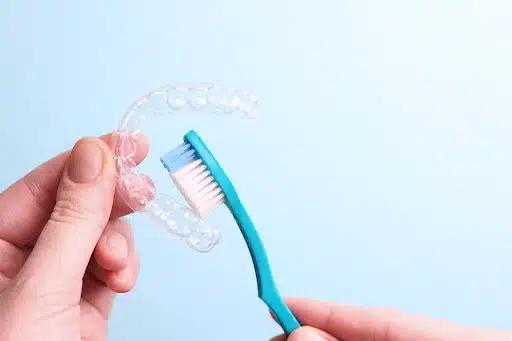
Cleaning Methods Compared
| Cleaning Method | Effectiveness | Safety for Clear Retainers | How Often to Use |
|---|---|---|---|
| Lukewarm water rinse | Low | Safe | Daily (after removal) |
| Soft brush + clear soap | High | Safe | Daily |
| Retainer cleaning tablets | Very high | Safe | Weekly |
| Toothpaste | Moderate | Not safe | Avoid |
| Hot water | High | Not safe | Never |
| Mouthwash soak | Low | Not safe | Avoid |
How Often Should You Clean Clear Retainers?
Clear retainers should be cleaned every day, ideally each time they are removed from your mouth. Daily cleaning prevents bacteria from hardening into plaque that becomes difficult to remove later.
A weekly deep clean helps dissolve buildup in areas brushing may miss. Long-term habits, such as consistent storage in a ventilated case and avoiding exposure to heat, play a major role in keeping retainers fresh and functional for months or years.
How Yuma’s Climate Can Affect Clear Retainer Hygiene
Yuma’s desert climate creates unique challenges for oral appliances. Heat can encourage bacterial growth, while dry air often leads to reduced saliva flow, which normally helps cleanse the mouth. Outdoor activities, sweating, and frequent hydration increase the chance that retainers are removed and placed on surfaces or in pockets.
Because of these factors, retainers in Yuma may require more consistent daily cleaning and careful storage. Using a ventilated case and avoiding leaving retainers in hot cars or direct sunlight can significantly reduce odor and warping risks.
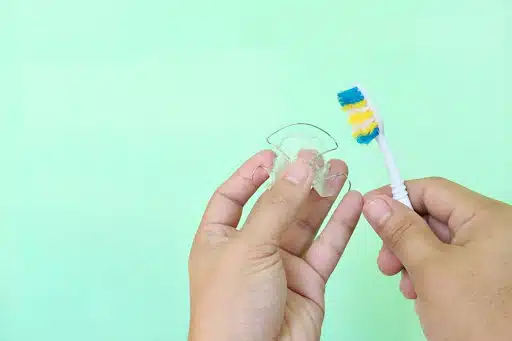
Signs Your Clear Retainer Isn’t Clean Enough
Your retainer often gives warning signs when hygiene needs improvement. Watch for:
- Persistent odor even after rinsing
- Cloudy or white film that does not brush off
- Rough or sticky texture
- Gum irritation or soreness
- Retainer not seating fully on teeth
If these signs continue despite proper cleaning, professional guidance may be needed.
When to Replace a Clear Retainer
Even with excellent care, clear retainers do not last forever. Most need replacement every 6–12 months, depending on wear, hygiene, and fit. Retainers that remain cloudy, warped, cracked, or uncomfortable may no longer protect alignment effectively.
Hygiene issues are a common reason for early replacement. Consistent cleaning can extend lifespan, but fit and comfort should always come first.
Meet the Orthodontic Team
At Orthodontics Inc, patient education is a key part of long-term orthodontic success. Patients benefit most when they understand not just how to clean their clear retainers, but why proper hygiene matters for comfort, oral health, and maintaining alignment after treatment.
The orthodontic team—including Dr. Joseph Wilson, Dr. Anandaraja Shankar, Dr. Howard Choi, and Dr. Ronald E. Unterseher—emphasizes clear guidance, preventive care, and consistent retainer habits as part of protecting long-term orthodontic results.
Areas We Serve
Clear retainer care guidance is relevant for patients throughout the region, including those in Yuma, AZ, Flagstaff, AZ, St. George, UT, Cortez, CO, Gallup, NM, Farmington, NM, and Washington, UT. Climate, travel, and lifestyle differences across these areas make individualized hygiene habits especially important.
Frequently Asked Questions
Can I clean clear retainers with toothpaste?
No. Toothpaste is abrasive and can scratch the surface, making retainers cloudy and harder to clean.
How often should I deep clean my retainer?
Once per week is ideal, using a retainer-safe cleaning solution.
Is it safe to soak retainers overnight?
Only if directed by your orthodontist or the product instructions. Prolonged soaking is often unnecessary.
What causes clear retainers to turn cloudy?
Plaque buildup, scratched surfaces, and improper cleaning methods are common causes.
Can poor retainer hygiene affect my teeth?
Yes. Bacteria from dirty retainers can contribute to plaque buildup, gum irritation, and enamel issues.
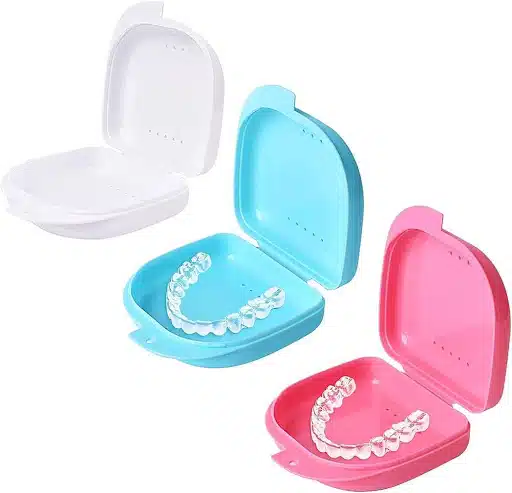
Protecting Your Clear Retainer Long Term
Clear retainers protect the results of orthodontic treatment, but only when they are kept clean and well-maintained. Daily care, safe cleaning products, and awareness of Yuma’s heat and dry conditions all play an important role in keeping retainers clear, odor-free, and comfortable. Consistent habits help prevent buildup that can shorten the lifespan of a retainer or affect how it fits.
At Orthodontics Inc, patients are encouraged to view retainer hygiene as part of protecting their long-term orthodontic results, not just appearance. By following a reliable cleaning routine and recognizing early warning signs like cloudiness or odor, patients can protect both their retainers and the smile they worked hard to achieve.
Have Questions About Your Clear Retainer?
If your clear retainer looks cloudy, smells unpleasant, or no longer feels comfortable, it may be time to review your cleaning routine or have it checked by an orthodontic professional. Small hygiene issues can turn into bigger problems if they’re ignored.
The team at Orthodontics Inc is always happy to help patients understand proper retainer care and long-term maintenance. Reaching out for guidance can help protect both your retainer and the orthodontic results you’ve worked hard to achieve.