By Dr. Joseph Wilson, DMD, MSD
If you stop wearing your retainer, your teeth can slowly shift out of alignment. This can happen weeks, months, or years after braces or Invisalign because teeth are not permanently locked into place after treatment. Retainers help hold the result while the bone, gums, and surrounding tissues settle.
The shift may be small at first. A retainer may feel tighter than usual, a small gap may reopen, or one front tooth may start to look slightly out of line. Over time, those small changes can become more noticeable and may require orthodontic treatment again if they are left alone.
At Orthodontics Inc., patients across the Southwest often receive retainer guidance after braces or Invisalign because retention is not a small final step. It is what helps protect the time, effort, and investment that went into creating the smile.
Why Teeth Move After Braces or Invisalign
Teeth can move because they are held in place by bone, gums, ligaments, and daily bite forces. Orthodontic treatment moves teeth into better positions, but the mouth needs time to adapt to those new positions.
Even after treatment is finished, the teeth still respond to pressure from:
- chewing and biting
- tongue posture
- lips and cheeks
- growth changes
- aging
- teeth grinding or clenching
- missed retainer wear
This is why retainers matter. They act like a holding system while the smile stabilizes. Without them, teeth can drift back toward old positions or shift in new ways.
What Happens in the First Few Days Without a Retainer?
A few missed days may not cause major visible changes for everyone, but it can make the retainer feel tighter when you put it back in.
That tight feeling is often a warning sign. It may mean the teeth have already started to move slightly. In many cases, wearing the retainer again as instructed can help settle things back into place, but you should not force a retainer that feels painful or does not fit fully.
If the retainer still seats properly, return to the schedule your orthodontist recommended. If it feels unusually tight, rocks in place, will not go all the way down, or causes sharp discomfort, contact the orthodontic office.
What Happens After Weeks or Months Without a Retainer?
After weeks or months without retainer wear, tooth movement becomes more likely.
You may notice:
- front teeth starting to overlap
- small spaces reopening
- bite changes
- one tooth rotating slightly
- the retainer feeling very tight
- the retainer no longer fitting at all
This stage is where many patients realize the shift is no longer just “in their head.” A smile that looked stable after treatment may begin to look less even.
The good news is that minor shifting may still be manageable if it is caught early. The longer you wait, the more likely it is that the retainer will no longer be enough.
What Happens After Years Without Wearing Your Retainer?
If you stop wearing your retainer for years, your teeth may move enough that your old retainer no longer fits. In some cases, the shift may be mild. In others, crowding, spacing, or bite changes may become noticeable again.
This is especially common for people who had braces as teens and stopped wearing retainers in adulthood. Years later, they may notice the lower front teeth crowding, gaps returning, or the smile looking less straight than it once did.
At that point, the solution may not be as simple as wearing the old retainer again. You may need a new retainer, limited orthodontic treatment, or a more complete treatment plan depending on how much the teeth have moved.
Should You Force an Old Retainer Back In?
No. You should not force an old retainer back in if it does not fit.
A retainer should feel snug, but it should not require heavy pressure, bending, biting down hard, or pushing until it hurts. Forcing it can irritate the gums, damage the retainer, or place unhealthy pressure on the teeth.
Here is a simple way to think about it:
| Retainer Fit | What It May Mean | What To Do |
| Slightly tight but fully seats | Minor tooth movement may have occurred | Wear as instructed and monitor comfort |
| Very tight and uncomfortable | Teeth may have shifted more than expected | Call the orthodontic office |
| Does not seat all the way | Teeth may no longer match the retainer | Do not force it |
| Cracked, warped, or distorted | Retainer may no longer be safe or effective | Replace it |
| Lost completely | Teeth are no longer being held | Schedule a retainer visit |
Can Wearing Your Retainer Again Move Teeth Back?
Sometimes, but only if the movement is minor and the retainer still fits correctly.
Retainers are made to hold teeth in place. They are not designed to work like active braces or Invisalign. If the teeth have shifted slightly, a retainer may feel tight and help stabilize the smile again. But if the teeth have moved too far, the retainer may not be able to correct the problem.
Why Lower Front Teeth Often Shift First
Many patients notice shifting in the lower front teeth before anywhere else. This area is especially prone to crowding because the teeth are small, the space is limited, and natural aging can continue to affect alignment.
Even patients who had a beautiful result after braces may see the lower incisors rotate or overlap when retainer wear stops.
This does not mean the original treatment failed. It usually means the teeth were not being held. Retention is part of the treatment outcome, not an optional extra.
Types of Retainers and How They Help
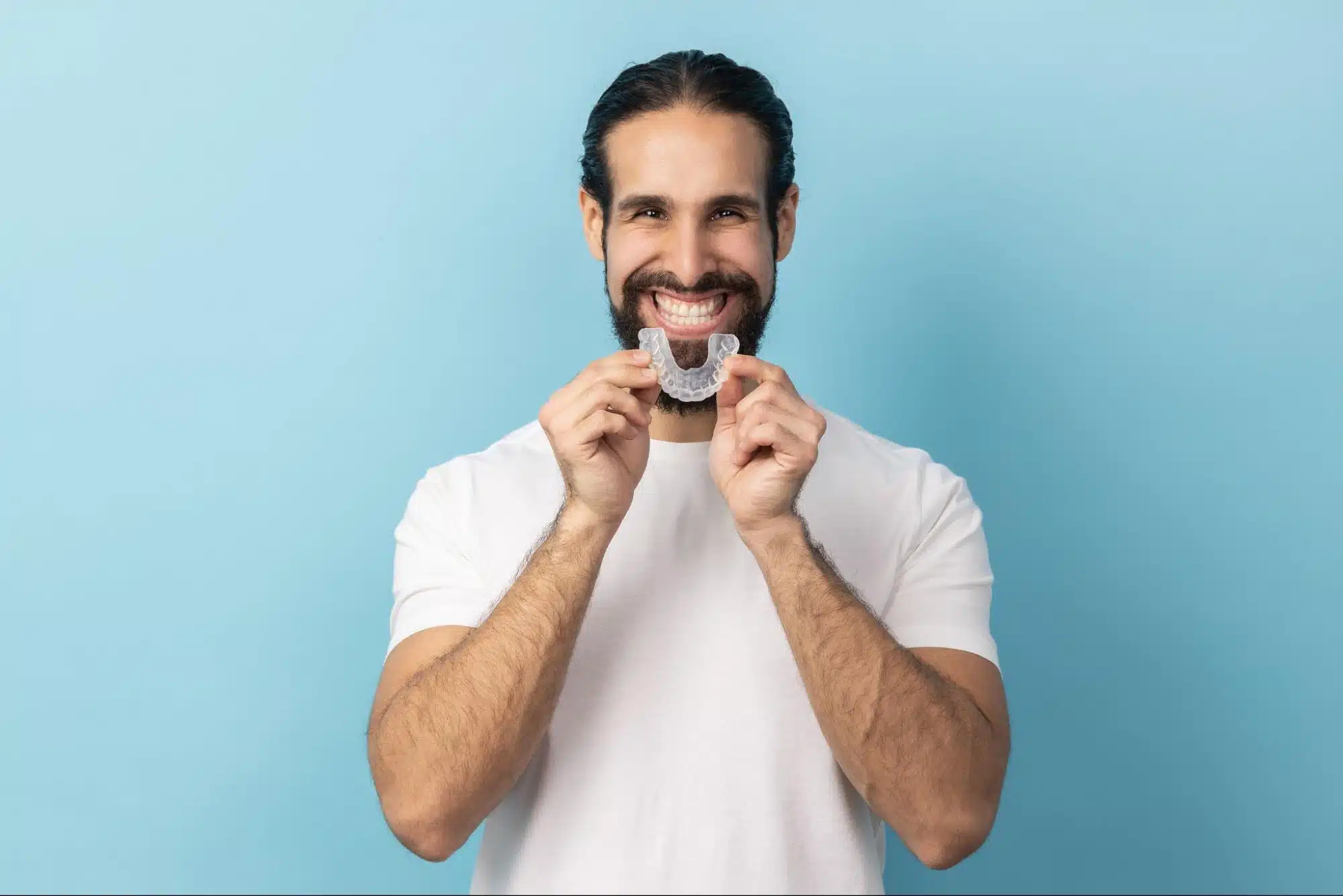
Different retainers can be used after orthodontic treatment. The best option depends on the patient’s teeth, bite, and long-term needs.
Clear removable retainers
These look similar to clear aligners and fit over the teeth. They are discreet and easy to wear at night, but they can crack, warp, or get lost if not stored properly.
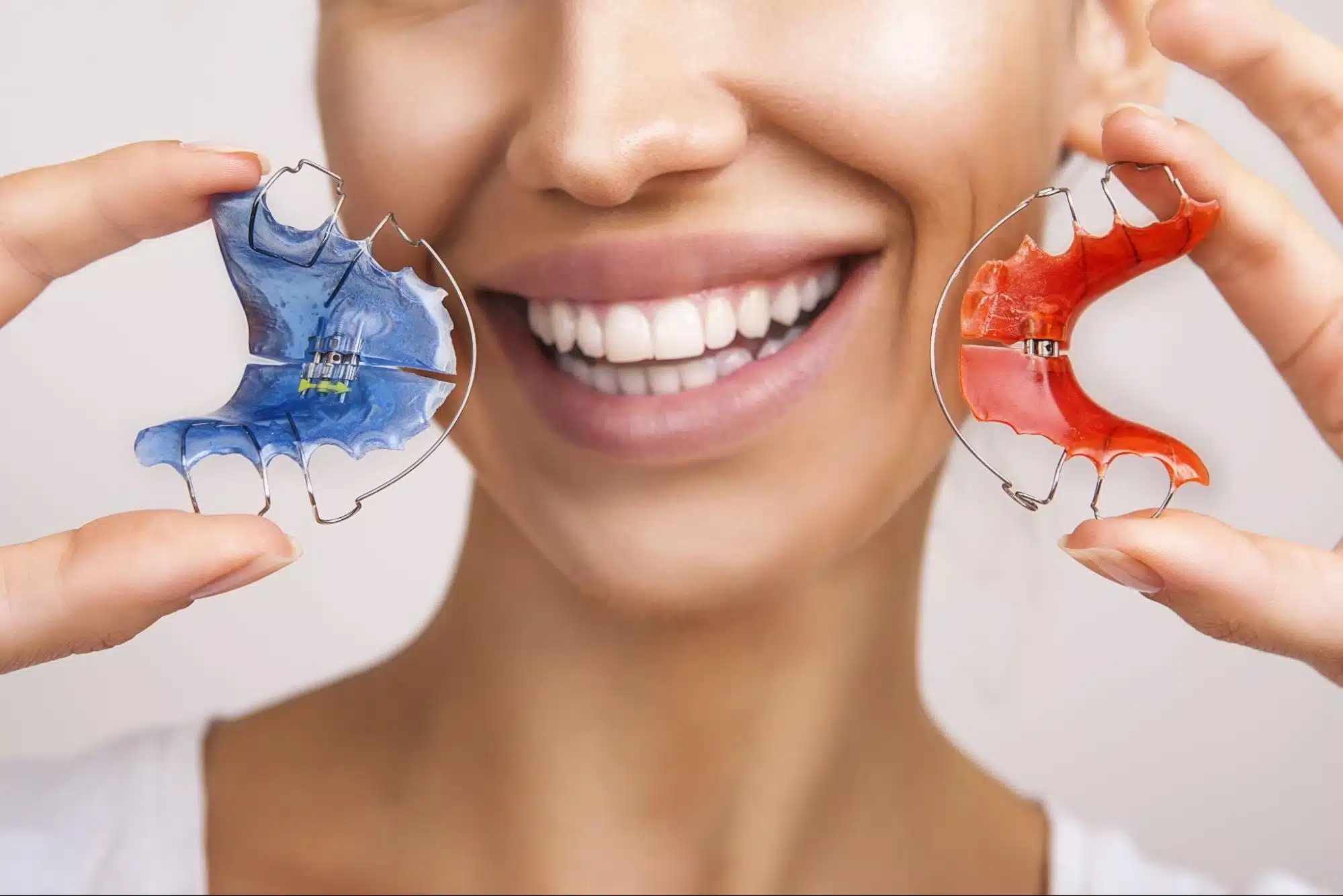
Hawley retainers
These usually have an acrylic piece and a wire across the front teeth. They are durable and adjustable in some cases.
Fixed retainers
A fixed retainer is a thin wire bonded behind the teeth, often on the lower front teeth. It stays in place and can help prevent shifting in a high-risk area. However, it still needs careful cleaning and regular checks.
Some patients may use a combination of fixed and removable retainers for extra stability.
Can Teeth Shift Even If You Wear Your Retainer?
Yes, small changes can still happen over time, even with retainer wear. Retainers reduce the risk of shifting, but they cannot stop every natural change in the mouth.
That said, patients who wear their retainers as instructed usually have a much better chance of keeping their results. The biggest shifts often happen when retainers are lost, ignored, broken, or worn too inconsistently.
If you notice changes even though you are wearing your retainer, schedule a check. The retainer may be worn out, cracked, loose, or no longer fitting as well as it should.
How to Avoid Retainer Problems in Real Life
Retainer problems are common because life gets busy. Patients travel, move away for school, lose cases, forget nighttime wear, or stop wearing retainers once the smile looks stable.
A few habits make retention easier:
- keep the retainer case in the same place every day
- never wrap a retainer in a napkin
- avoid leaving retainers in hot cars
- keep retainers away from pets
- clean retainers regularly
- bring retainers to orthodontic checkups
- replace damaged retainers quickly
The most important habit is making retainer wear automatic. It should feel like brushing your teeth before bed, not like a special task you have to remember.
Protecting the Smile You Worked For
Stopping retainer wear can allow teeth to shift, sometimes sooner than expected. The change may begin with a tight retainer or a small overlap, but it can become more noticeable if the teeth are left unsupported.
The good news is that retainer problems are often easier to manage when they are caught early. If your retainer is lost, broken, too tight, or no longer fits, do not force it and do not wait for the teeth to move more.
At Orthodontics Inc., Dr. Joseph Wilson and the team help patients across the Southwest protect their orthodontic results after braces or Invisalign. Whether you need a replacement retainer, a retainer check, or guidance after your teeth have shifted, schedule a visit as soon as possible so we can help you protect the smile you already worked hard to achieve.
Frequently Asked Questions
How long does it take teeth to shift without a retainer?
Some patients notice tightness within days, while visible shifting may take weeks, months, or longer. The timing depends on the patient and how recently treatment ended.
Can I wear my retainer again after not wearing it for months?
Maybe. If it still fits fully and does not cause pain, your orthodontist may tell you to resume wear. If it does not fit properly, do not force it.
What should I do if my retainer no longer fits?
Schedule an orthodontic visit. You may need a new retainer, limited treatment, or another option depending on how much the teeth have moved.
Can a retainer move teeth back?
A retainer may help with very minor movement if it still fits correctly. However, retainers are mainly designed to hold teeth in place, not actively correct major shifting.
Do I need to wear retainers forever?
Many patients are advised to wear retainers at night long term. Teeth can shift throughout life, so continued retainer wear is the best way to protect your result.