By Dr. Joseph Wilson, DMD, MSD
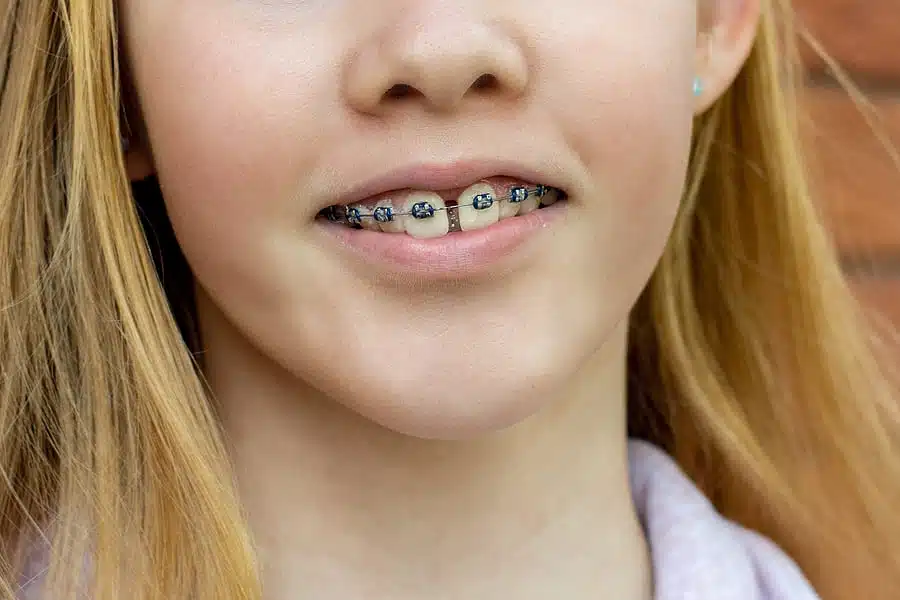
Yes, braces can close many gaps in teeth, especially when the spaces are caused by tooth position, alignment, or bite issues. Brackets and wires apply steady pressure that gradually moves teeth into better positions, helping close spaces while also improving how the upper and lower teeth fit together.
The right treatment depends on why the gaps are there. Some spaces are simple. Others are linked to missing teeth, small teeth, habits, gum problems, or teeth shifting after past orthodontic treatment. That is why an orthodontic evaluation matters before choosing braces, Invisalign, retainers, bonding, or another option.
If you are considering treatment for gapped teeth, the goal is not only to close the space. It is to create a smile that looks balanced and stays stable after treatment.
Why Gaps Form Between Teeth
A gap between teeth is called a diastema. It can appear between the front teeth, between back teeth, or in several places across the smile. Some gaps are present from childhood, while others develop later as teeth shift.
Common causes include small teeth, extra jaw space, missing teeth, thumb-sucking, tongue pressure, gum disease, an oversized frenum, or relapse after previous orthodontic treatment. The cause matters because it affects whether the space should be closed, maintained, or treated with another approach.
When Braces Can Help Close Gaps
Braces are often a strong option when spaces are related to tooth position. Because braces stay attached to the teeth, they can provide steady control throughout treatment.
This can be helpful when gaps are combined with rotated teeth, tipped teeth, crowding, bite problems, or spaces that reopened after treatment. Traditional braces can move both the visible part of the tooth and the root, which is important for a stable result.
Braces may be recommended when:
- there are several gaps across the smile
- the teeth need controlled root movement
- spacing is connected to a bite issue
- gaps reopened after past braces
- aligners may not provide enough control
- the final bite needs careful finishing
Closing a gap too quickly or without proper planning can create new problems. The teeth need to meet correctly after the space is gone.
Braces vs. Invisalign for Gapped Teeth
Both braces and Invisalign can help close gaps, but the better choice depends on the size of the spaces, the bite, and how much control the teeth need.
| Treatment Option | When It May Help | What to Consider |
| Braces | Larger gaps, rotated teeth, bite issues, detailed movement | Fixed brackets work continuously |
| Invisalign | Mild to moderate spaces with good wear-time compliance | Aligners must be worn as instructed |
| Retainers | Very minor shifting or holding results after treatment | Usually maintains rather than fully corrects |
| Bonding | Small cosmetic spaces | Does not move teeth or correct the bite |
| Veneers | Tooth-size or shape concerns | Cosmetic option, not orthodontic correction |
For patients who want a removable option, Invisalign may be worth discussing. For larger spaces or bite-related gaps, braces may offer better control.
What If the Gap Is From a Missing Tooth?
A missing-tooth gap needs careful planning. Sometimes braces can move the surrounding teeth together and close the space. Other times, the space should be preserved for a future replacement tooth.
The decision depends on the missing tooth, the bite, the shape of nearby teeth, and how the final smile will look. Closing a missing-tooth space in the wrong case can affect chewing, symmetry, and long-term stability.
If a space is from a missing tooth, the orthodontist may need to coordinate the plan with a dentist before treatment begins.
How Long Do Braces Take to Close Gaps?
Treatment time depends on the size of the gap and whether anything else needs correction. A small space between front teeth may close in a few months, while larger spaces or bite-related gaps can take longer.
| Type of Gap | Possible Timeline | Why Timing Varies |
| Small front gap | A few months | Limited movement may be needed |
| Several small gaps | 6–12 months or more | Multiple teeth need coordinated movement |
| Larger space | 12–24 months | More movement and control may be needed |
| Missing-tooth space | Varies | May need replacement planning |
| Gap with bite problem | Varies | Bite correction affects the timeline |
The space may look closed before treatment is truly finished. That does not always mean the teeth are ready to stay there. Root position, bite contact, and retention still matter.
What Happens During Treatment?
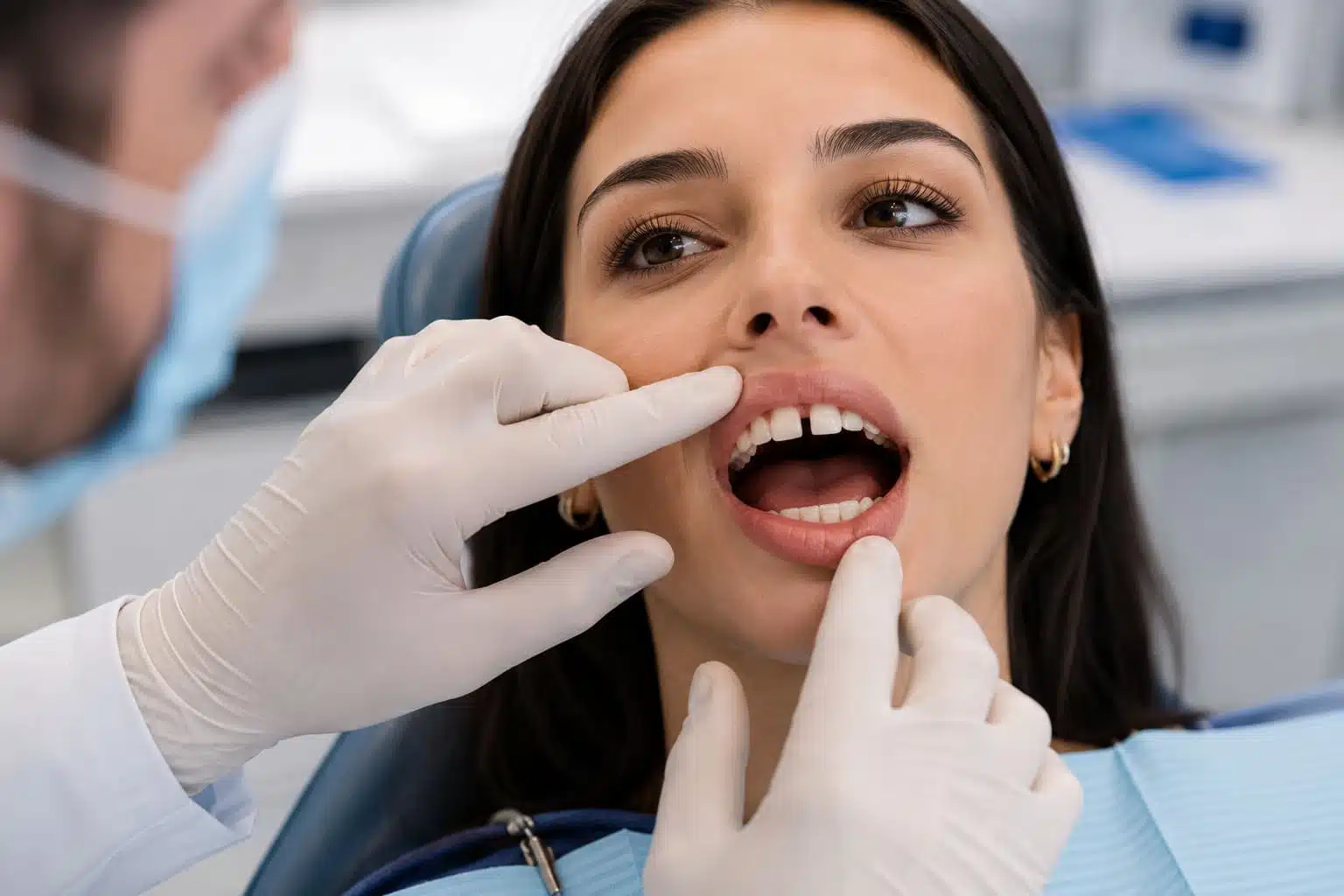
Treatment starts with an orthodontic consultation. Your orthodontist checks the spacing, bite, tooth size, gum health, and whether any teeth are missing.
From there, the process may include records, photos, X-rays, braces placement, adjustment visits, space closure, bite finishing, and retainers after treatment. A helpful guide to an orthodontic consultation can make the first visit feel easier to understand.
The steps usually look like this:
- Evaluate the cause of the gaps
- Choose the right appliance
- Move the teeth gradually
- Check how the bite is changing
- Finish the tooth positions
- Use retainers to hold the result
The final step matters. Gaps can reopen if the teeth are not held properly after treatment.
Can Gaps Come Back After Braces?
Yes, gaps can come back after braces, especially if retainers are not worn as directed. Teeth naturally shift over time, and spaces may reopen when the original cause is still active.
Tongue pressure, gum problems, missing teeth, or an untreated frenum can also make relapse more likely. This does not mean braces failed. It means the retention plan needs to match the reason the gap existed in the first place.
Custom retainers help protect the result after braces or clear aligners. If you stopped wearing your retainer and noticed spacing again, a new evaluation can show whether you need a replacement retainer or limited treatment.
Do Children and Teens Need Treatment for Gaps?
Not every gap in a child’s smile needs treatment right away. Some spaces are normal while baby teeth are falling out and permanent teeth are coming in. In other cases, early spacing can point to crowding, missing teeth, habits, or bite development concerns.
An early evaluation can help parents understand whether the gaps are part of normal growth or something that should be monitored. Learn more about early orthodontic treatment if your child’s teeth or bite seem to be developing unevenly.
For older children and teens, spacing may be treated with braces, clear aligners, or monitoring depending on the cause. Teen orthodontic treatment can help guide the teeth and bite while the smile is still developing.
Cost of Braces for Gapped Teeth
The cost of braces for gapped teeth depends on how much movement is needed, whether the bite needs correction, and how long treatment may take. A small space may require a very different plan from several gaps across the smile.
At the consultation, you should get a clearer idea of the recommended treatment, estimated timeline, payment options, and whether insurance may apply.
If cost is one of your concerns, bring it up early. The treatment plan should make sense clinically and financially before you move forward.
Closing Gaps the Right Way
Braces for gaps in teeth can help create a straighter, more balanced smile when spacing is caused by tooth position, alignment, or bite concerns. They may also help when gaps are part of a larger orthodontic issue.
The important part is finding out why the gap exists before choosing treatment. A space caused by small teeth, missing teeth, gum issues, habits, or relapse after braces may need a different plan from a simple front gap.
If you want to know whether braces can close your gaps, schedule a free consultation with Ortho Inc so your teeth, bite, and long-term stability can be evaluated before treatment begins.
Frequently Asked Questions
Can braces close gaps in teeth?
Yes. Braces can close many gaps by moving teeth into better positions. The size of the gap, cause of spacing, and bite relationship all affect the treatment plan.
How long do braces take to close gaps?
Small gaps may close in a few months. Larger gaps, several spaces, or gaps connected to bite issues may take 12–24 months or longer.
Are braces or Invisalign better for gaps?
Both can work. Braces may be better for larger gaps, rotated teeth, or bite problems. Invisalign may work for mild to moderate gaps if aligners are worn as directed.
Can gaps come back after braces?
Yes. Gaps can reopen if retainers are not worn or if the original cause of spacing is still active. Retainers help keep the teeth stable after treatment.
Can braces close a gap from a missing tooth?
Sometimes. In other cases, the space may need to stay open for a dental implant, bridge, or another replacement. The right plan depends on the bite and smile balance.
Do small gaps always need braces?
No. Some small cosmetic gaps may be treated with bonding or veneers. Braces are more useful when the gap is caused by tooth position or bite issues.
Can children have gaps that do not need treatment?
Yes. Some gaps are normal during growth and tooth eruption. An orthodontic evaluation can help determine whether the spaces should be monitored or treated.
How do I know if braces are right for my gaps?
An orthodontic evaluation is the best way to know. Your orthodontist can check the cause of the spacing, explain your options, and recommend a plan that fits your smile.