By Dr. Joseph A. Wilson
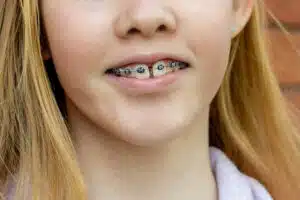
Yes, you can whiten your teeth during orthodontic treatment in some situations, but timing matters. Whitening with Invisalign is often easier than whitening with braces because clear aligners are removable. With traditional braces, whitening during treatment can lead to uneven color because the brackets cover part of the tooth surface.
That does not mean you have to live with a dull smile until treatment is over. It means you should choose the right whitening approach for the appliance you are wearing.
If you are thinking about teeth whitening with braces, the safest move is to ask your orthodontic team before starting whitening strips, gels, trays, or in-office treatment.
Why Braces Make Whitening More Complicated
Braces stay attached to the teeth throughout treatment. That means whitening products cannot reach the enamel underneath the brackets.
If you whiten your teeth while wearing braces, the exposed areas may get lighter, while the covered areas stay the same color. When the braces come off, the result may look patchy or uneven.
This is why many orthodontists recommend waiting until treatment is complete before whitening with traditional braces.
| Whitening During Braces | Main Concern | Better Approach |
| Whitening strips | May not reach under brackets | Wait until braces are removed |
| Whitening trays | Brackets may block tray fit | Ask before using |
| Whitening toothpaste | May help surface stains only | Use gently and consistently |
| In-office whitening | Usually better after braces | Plan after debonding |
| DIY whitening methods | May irritate gums or enamel | Avoid without guidance |
Braces do not stop you from having a bright smile. They simply make whitening timing more important.
Can You Whiten Teeth With Invisalign?
Invisalign is different because the aligners are removable. You take them out to eat, drink anything besides water, brush, and floss. That makes whitening more possible during treatment.
Ortho Inc. offers Invisalign for patients who want a clear, removable orthodontic option across Arizona, Utah, New Mexico, and Colorado.
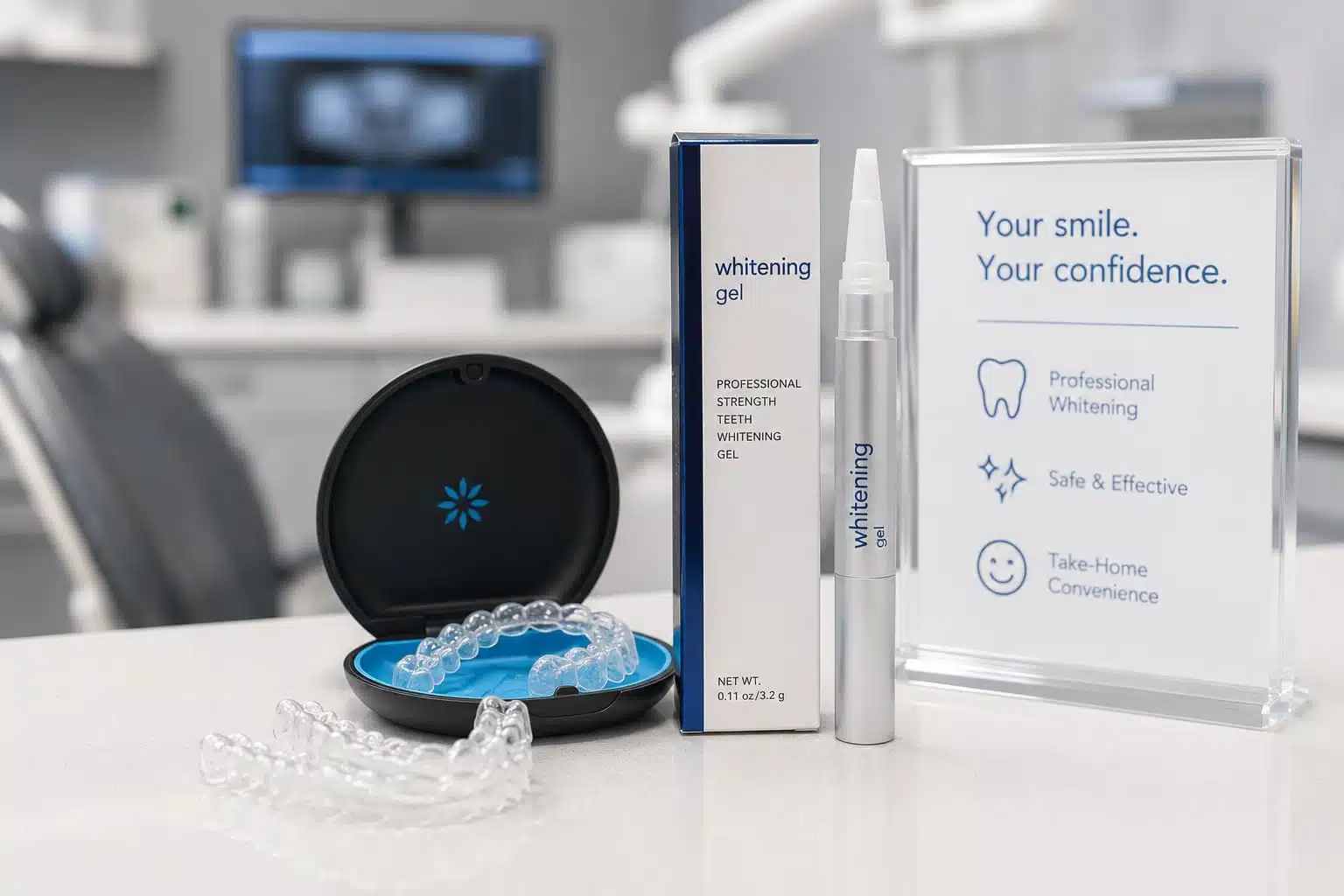
Still, you should not put whitening gel inside your aligners unless your orthodontist specifically says it is okay. Invisalign trays are designed to move teeth, not to work as whitening trays. Whitening gel may not spread evenly, and it could irritate the gums if it leaks or sits in the wrong places.
Braces vs. Invisalign: Whitening Differences
| Treatment | Can You Whiten During Treatment? | What to Watch For |
| Metal braces | Usually best to wait | Brackets block part of the enamel |
| Ceramic braces | Usually best to wait | Brackets still cover tooth surfaces |
| Invisalign | Sometimes possible | Must avoid damaging aligners or irritating gums |
| Retainers after treatment | Sometimes possible | Only if dentist-approved |
| Whitening toothpaste | May help surface stains | Does not deeply whiten teeth |
If whitening is a priority, talk about it before treatment starts. Your orthodontist can help you decide whether braces or clear aligners fit your smile goals, hygiene habits, and treatment needs.
What About Whitening Toothpaste?
Whitening toothpaste may help remove surface stains from coffee, tea, or everyday foods. It does not usually change the deeper color of the teeth the way professional whitening can.
With braces, whitening toothpaste should be used carefully. Aggressive scrubbing can irritate gums or damage enamel, especially around brackets. A soft toothbrush and good technique matter more than brushing harder.
With Invisalign, whitening toothpaste can help keep teeth cleaner, but it should not be used to scrub aligners. Some toothpaste can be abrasive and may scratch clear aligners, making them look cloudy.
Best Time to Whiten Teeth After Braces
For many braces patients, the best time to whiten is after the braces come off and the teeth have been professionally cleaned.
That gives your dentist or orthodontist a clearer view of the enamel. It also allows any gum irritation or sensitivity from orthodontic treatment to settle before whitening begins.
A smart timeline may look like this:
- Finish braces treatment
Wait until brackets and wires are removed. - Get the teeth cleaned
Plaque and surface buildup should be removed first. - Check for white spots or sensitivity
Your dental team can look for enamel concerns before whitening. - Discuss whitening options
You may be a candidate for in-office whitening, take-home trays, or another option. - Maintain results
Retainers, hygiene, and stain control help keep the smile bright.
Ortho Inc. provides retainers after braces or Invisalign to help maintain your results once active treatment is complete.
How to Keep Teeth Looking Brighter During Braces
Even if you wait to whiten, you can still keep your smile cleaner and brighter during treatment.
Focus on habits that reduce staining and plaque buildup:
- brush carefully around brackets after meals
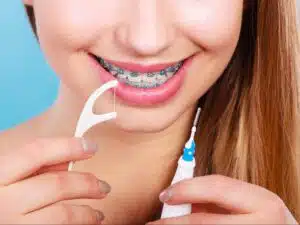
- floss daily with the tools your orthodontic team recommends
- rinse with water after coffee, tea, or dark drinks
- avoid frequent sugary snacks and drinks
- keep up with dental cleanings
- ask about fluoride if white spots are a concern
- avoid smoking or vaping
Foods and Drinks That Can Stain During Treatment
Staining can happen with or without braces. With orthodontic appliances, it is easier for plaque and pigments to collect around brackets or under aligners.
| Food or Drink | Why It Can Be a Problem | Helpful Habit |
| Coffee | Dark pigments can stain enamel and aligners | Rinse with water afterward |
| Tea | Tannins can darken teeth over time | Avoid sipping slowly all day |
| Red wine | Strong color and acidity | Rinse and brush later |
| Dark soda | Sugar, acid, and color | Limit intake |
| Curry | Strong yellow pigment | Brush after meals |
| Tomato sauce | Acidic and pigmented | Rinse after eating |
| Berries | Natural dark pigments | Clean teeth afterward |
You do not have to avoid every staining food forever. Just be consistent with cleaning and avoid letting stains sit on the teeth for hours.
What Not to Do
Some whitening shortcuts can cause more problems than they solve.
Avoid:
- using whitening strips over braces
- placing whitening gel inside Invisalign trays without approval
- using hot water to clean aligners
- brushing aggressively with abrasive products
- trying bleach, lemon juice, baking soda scrubs, or harsh DIY methods
- ignoring white spots, gum irritation, or sensitivity
- whitening over cavities or untreated dental problems
The safest whitening plan is one that fits your orthodontic treatment, enamel health, and sensitivity level.
Whitening After Invisalign
Whitening after Invisalign is often straightforward because the teeth are already free of brackets. Still, timing matters. If your teeth feel sensitive from aligner movement, it may be better to wait until they settle.
Your dentist can also check whether any attachments were removed cleanly and whether there are areas of staining or enamel changes that need attention before whitening.
If you are still comparing treatment options, our article on braces vs. Invisalign can help you understand how the two treatments differ for comfort, appearance, and daily routine.
Orthodontic Care at Ortho Inc.
Ortho Inc. provides braces, Invisalign, retainers, mouth guards, emergency orthodontic care, and orthodontic treatment across Arizona, Utah, New Mexico, and Colorado. Our team helps patients choose treatment based on alignment needs, bite concerns, lifestyle, and long-term smile goals.
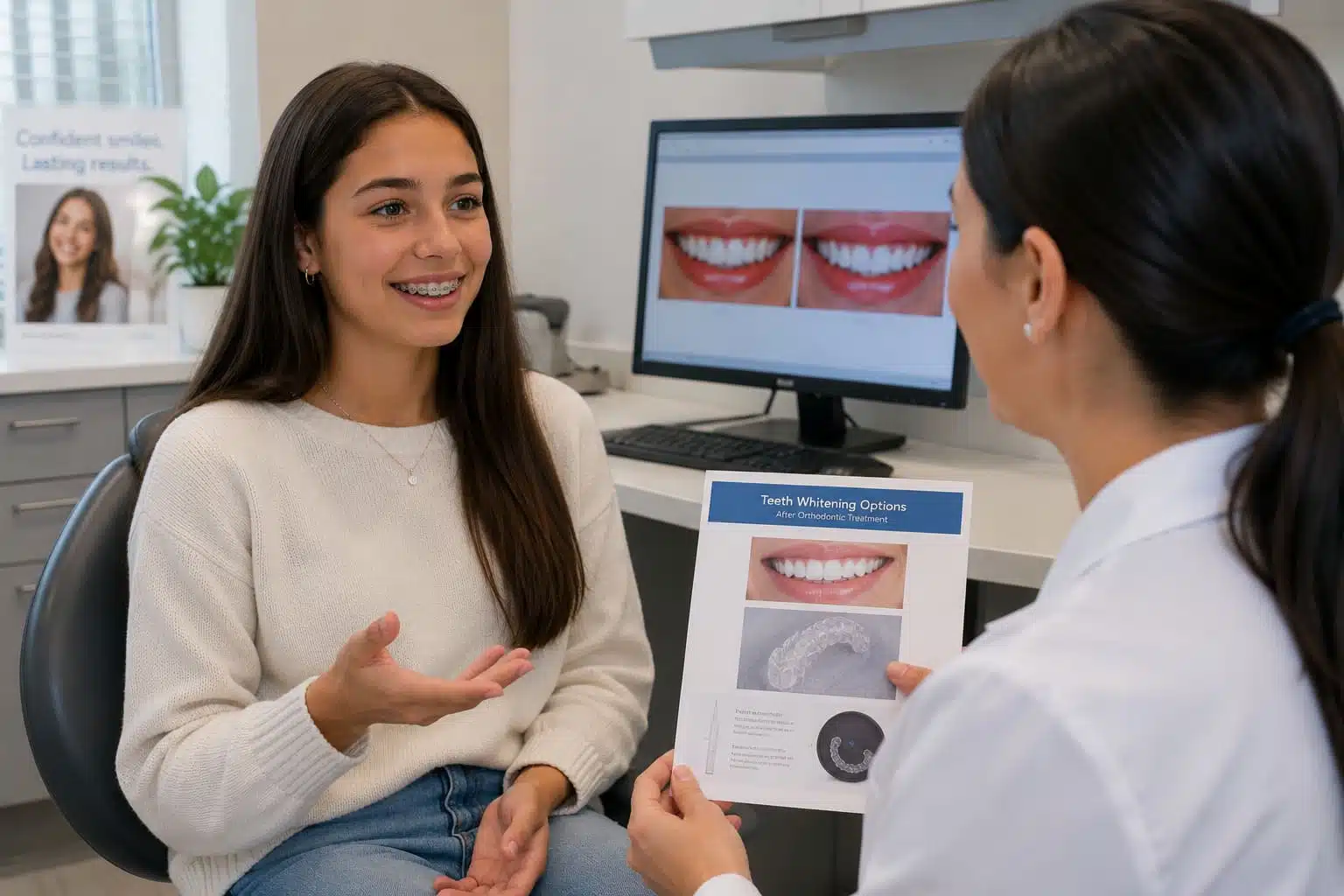
If you are planning orthodontic treatment and want a brighter smile, bring up whitening during your orthodontic consultation. That way, your team can help you understand whether whitening should happen before, during, or after treatment.
Plan Whitening Around Your Orthodontic Treatment
You can whiten your teeth with Invisalign in some cases, but you should still ask your orthodontic team first. With braces, it is usually better to wait until the brackets are removed so whitening results look even.
The best plan is not rushing into whitening. It is keeping your teeth clean during treatment, preventing white spots, and choosing the right time to brighten your smile safely.
If you are wearing braces, starting Invisalign, or planning orthodontic treatment, Ortho Inc. can help you build a treatment plan that supports both straight teeth and a confident smile. Book a consultation with us today to get started.
Frequently Asked Questions
Can you whiten your teeth with braces?
It is usually better to wait until braces are removed. Brackets cover part of the tooth, so whitening during braces can create uneven color.
Can you whiten your teeth with Invisalign?
Sometimes, yes. Invisalign aligners are removable, so whitening may be easier than with braces. However, you should not use whitening gel inside aligners unless your orthodontist approves it.
Can I use whitening strips with braces?
Whitening strips are not recommended with braces because they cannot reach the enamel under the brackets. This can leave uneven color when the braces come off.
Can I use whitening toothpaste with braces?
Yes, whitening toothpaste may help remove surface stains, but it should be used gently. It will not deeply whiten the enamel under brackets.
Should I whiten before or after braces?
Many patients get the best results after braces are removed and the teeth are professionally cleaned. Your dental team can check for sensitivity, white spots, or enamel concerns first.
Why do teeth look yellow with braces?
Teeth may look yellow because of plaque buildup, staining foods and drinks, or difficulty cleaning around brackets. Better brushing and flossing can help.
Can whitening fix white spots after braces?
Not always. White spots may be early enamel mineral loss, not simple staining. A dentist should evaluate them before whitening.