By Dr. Joseph Wilson, DMD, MSD
White spots after braces are usually caused by early enamel damage from plaque buildup around brackets. When food particles, bacteria, and acids sit on the teeth for too long during orthodontic treatment, they can weaken the enamel and leave chalky white marks after braces are removed. The good news is that white spots are often preventable with strong brushing habits, fluoride, smart food choices, and regular dental and orthodontic visits.
At Orthodontics Inc., we help patients understand how to care for their teeth during treatment so their final smile is not only straighter, but also healthy and clean.
What Are White Spots After Braces?
White spots are areas of enamel that look lighter, chalkier, or duller than the rest of the tooth. They often show up around where brackets were attached because those areas can be harder to clean during braces treatment.
These spots are sometimes called enamel demineralization. That means minerals have been pulled out of the enamel, usually because acids from plaque sat on the tooth surface for too long.
White spots are not caused by the braces themselves. Braces create more places for food and plaque to collect, but the real problem is plaque that is not cleaned away well enough.
Why Do Braces Increase the Risk of White Spots?
Braces have brackets, wires, and small spaces where food can get trapped. This makes brushing and flossing more important, but also more difficult.
When plaque stays around the brackets, bacteria produce acids. These acids can weaken the enamel. Over time, the affected areas may look white, cloudy, or uneven once the braces are removed.
This is why oral hygiene during braces treatment matters from the first day. The straighter smile at the end of treatment should not come with preventable enamel marks.
What Causes White Spots on Teeth After Braces?
White spots on teeth after braces usually come from a combination of plaque buildup, frequent snacking, sugary drinks, poor brushing technique, and not cleaning carefully around brackets.
Common causes include:
- Not brushing well around brackets
- Skipping flossing
- Drinking soda, sports drinks, or juice often
- Eating sticky or sugary snacks frequently
- Plaque sitting around the gumline
- Not using fluoride as recommended
- Missing dental cleanings during orthodontic treatment
The longer plaque sits on the teeth, the higher the risk of enamel changes.
Can White Spots Be Prevented During Braces?
Yes. In many cases, white spots can be prevented with consistent daily care. The most important step is removing plaque before it has time to damage the enamel.
Good braces hygiene includes brushing after meals, flossing daily, using fluoride toothpaste, and paying special attention to the areas around brackets and along the gumline.
Patients should also continue seeing their general dentist during orthodontic treatment. Your orthodontist checks tooth movement and braces progress, but your dentist helps monitor cleanings, cavities, gum health, and enamel changes.
How Should You Brush With Braces?
Brushing with braces takes more time than brushing without braces. A quick pass over the teeth is usually not enough.
A good routine includes brushing above, below, and directly around each bracket. Tilt the toothbrush toward the gumline, then toward the top and bottom edges of the brackets. Take your time around the front teeth, back teeth, and areas near the gums.
Helpful brushing tips include:
- Brush at least twice daily, and ideally after meals.
- Use fluoride toothpaste.
- Brush around every bracket carefully.
- Clean along the gumline.
- Replace your toothbrush or brush head regularly.
- Ask your orthodontic team to show you areas you may be missing.
If your gums bleed or your teeth still look cloudy around the brackets, your brushing routine may need improvement.
Do You Still Need to Floss With Braces?
Yes. Flossing is still important with braces, even though it takes more effort. Food and plaque can collect between the teeth where a toothbrush cannot reach.
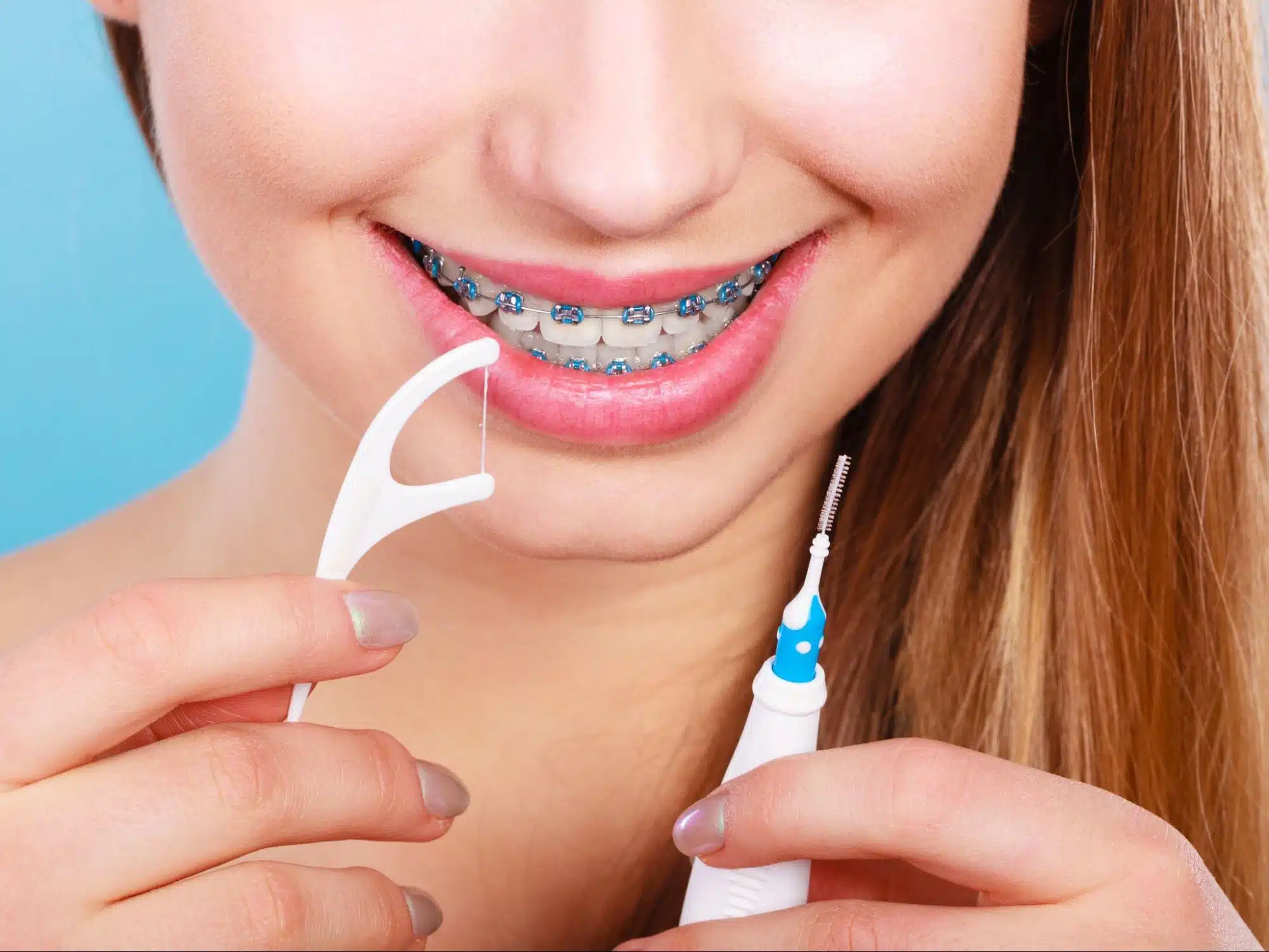
Many patients find it easier to use floss threaders, orthodontic flossers, or a water flosser. These tools can help clean around wires and between teeth more effectively.
Flossing once a day can help reduce plaque buildup, gum inflammation, and the risk of white spots.
What Foods and Drinks Increase the Risk of White Spots?
Some foods and drinks make white spots more likely because they feed bacteria or expose teeth to acid.
Try to limit:
- Soda
- Sports drinks
- Sweet tea
- Juice
- Sticky candy
- Sour candy
- Frequent sugary snacks
- Crackers or chips that stick around brackets
You do not have to avoid every treat forever, but frequency matters. Sipping soda over several hours or snacking all day keeps teeth exposed to acid for longer. That makes enamel more vulnerable.
Water is the best drink during braces treatment. It helps rinse the mouth and does not add sugar or acid.
Can Fluoride Help Prevent White Spots?
Fluoride can help strengthen enamel and lower the risk of tooth decay. Many patients use fluoride toothpaste every day, and some may benefit from a fluoride rinse or professional fluoride treatment if their dentist recommends it.
Fluoride is not a substitute for brushing and flossing. It works best when paired with good hygiene and regular dental visits.
If you have a higher risk of cavities or white spots, ask your dentist or orthodontist whether additional fluoride support would be helpful.
What Happens If You Already Have White Spots?
If white spots appear after braces, treatment depends on how noticeable they are and how deep the enamel change is. Some mild white spots may become less noticeable over time with good oral hygiene and fluoride. Others may need cosmetic or dental treatment.
Possible options may include:
| Option | How It May Help |
| Fluoride or remineralizing products | May support enamel strength and reduce early damage |
| Improved hygiene | Helps prevent spots from worsening |
| Teeth whitening | May help blend color in some cases |
| Microabrasion | May reduce shallow surface discoloration |
| Resin infiltration or bonding | May improve more noticeable white spots |
The right option depends on the condition of the enamel and your dentist’s recommendation.
Can White Spots Turn Into Cavities?
Yes, they can. White spots are often an early warning sign that enamel has been weakened. If plaque and acid exposure continue, the area may progress into a cavity.
That is why white spots should not be ignored. Even if they seem cosmetic at first, they can signal that the enamel needs attention.
Preventing white spots is easier than treating them later.
What Are the Best Braces Aftercare Tips?
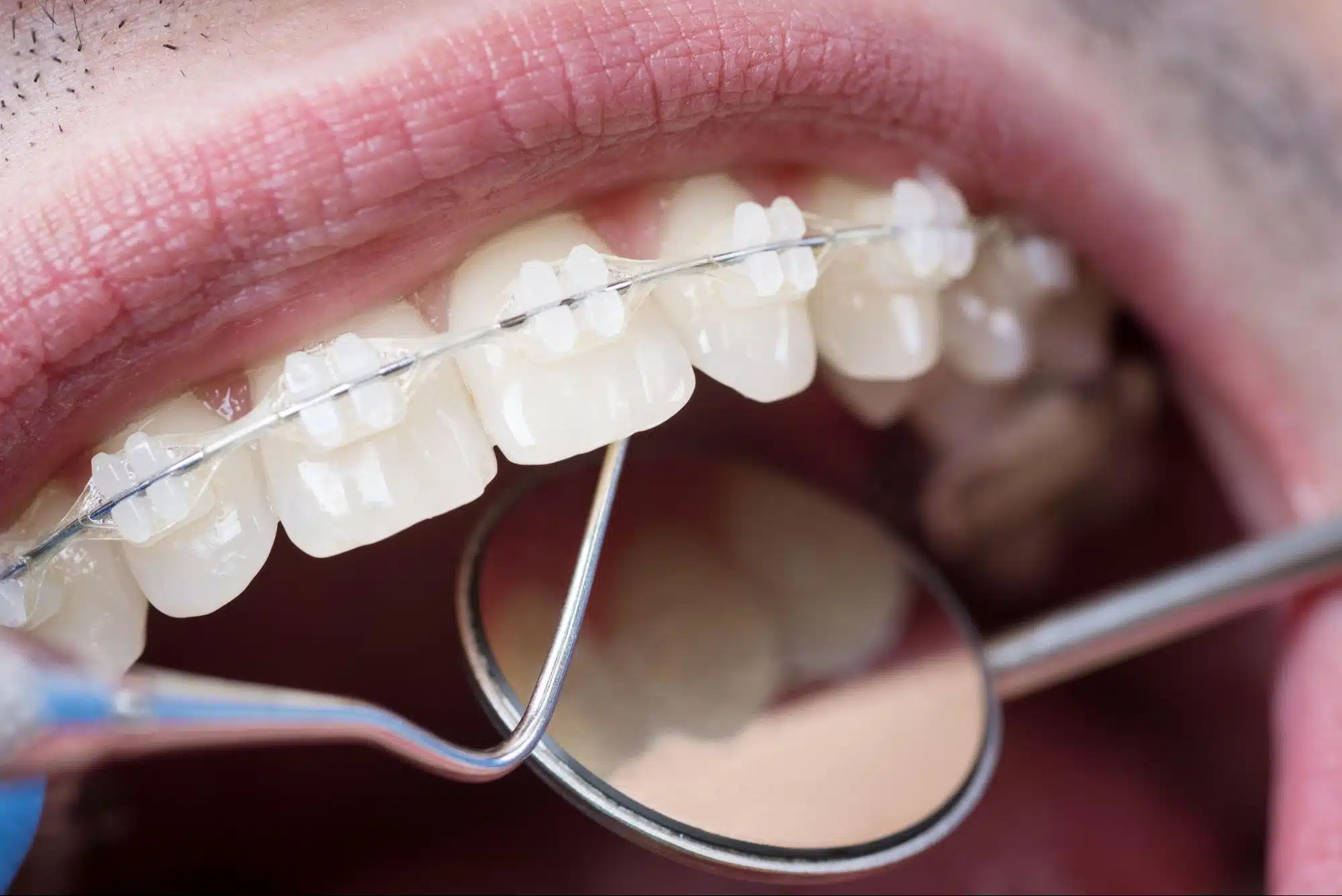
Braces aftercare starts while the braces are still on. The habits you build during treatment affect how your teeth look when treatment ends.
Important braces aftercare tips include:
- Brush carefully every day.
- Floss with braces-friendly tools.
- Limit sugary and acidic drinks.
- Keep dental cleanings.
- Follow orthodontic instructions.
- Wear retainers after treatment.
- Call your orthodontist if something breaks or feels wrong.
After braces are removed, retainers help keep teeth in their new positions. Hygiene and regular dental care help keep the smile healthy.
Why Choose Orthodontics Inc. for Braces Care?
If you are worried about white spots after braces, the goal is to choose orthodontic care that includes clear guidance, not just tooth movement. Orthodontics Inc. provides braces, Invisalign, retainers, and orthodontic care for children, teens, and adults across the Southwest.
Orthodontics Inc. welcomes patients at 713 N Beaver St, Flagstaff, AZ 86001. To schedule a visit, call (928) 774-0881.
Our Flagstaff office is located on N Beaver St, making it accessible for patients near downtown Flagstaff, Northern Arizona University, and surrounding Coconino County communities. We also serve patients through other locations, including Yuma, AZ; St. George, UT; Gallup, NM; and additional Southwest offices.
Led by Dr. Joseph Wilson, DMD, MSD, our team helps patients understand how to care for their teeth during orthodontic treatment, protect their enamel, and maintain their results after braces come off.
Final Takeaway: White Spots Are Usually Preventable
White spots after braces are usually caused by plaque and acid sitting on the teeth around brackets. Braces do not directly cause the spots, but they make careful cleaning more important.
The best prevention is simple: brush well, floss daily, limit sugary and acidic drinks, use fluoride as recommended, and keep regular dental visits during orthodontic treatment.
At Orthodontics Inc., Dr. Joseph Wilson, DMD, MSD, and our team can help you protect your smile before, during, and after braces.
Schedule a consultation today to learn how to keep your orthodontic treatment on track and your teeth healthy.
Frequently Asked Questions
What causes white spots after braces?
White spots after braces are usually caused by enamel demineralization from plaque buildup around brackets. Poor brushing, sugary drinks, and frequent snacking can increase the risk.
Are white spots caused by braces?
Braces themselves do not directly cause white spots. They create areas where plaque can collect, and plaque can weaken enamel if it is not cleaned away properly.
Can white spots after braces go away?
Some mild white spots may become less noticeable with good oral hygiene, fluoride, and time. More visible spots may need treatment from a dentist.
How can I prevent white spots during braces?
Brush carefully around brackets, floss daily, use fluoride toothpaste, limit sugary and acidic foods, drink water, and keep regular dental cleanings during braces treatment.
Are white spots the same as cavities?
White spots are not always cavities, but they can be an early sign of enamel damage. If the area continues to weaken, it may turn into a cavity.